
Emergency

Expert Heart Valve Replacement
with Compassionate Care

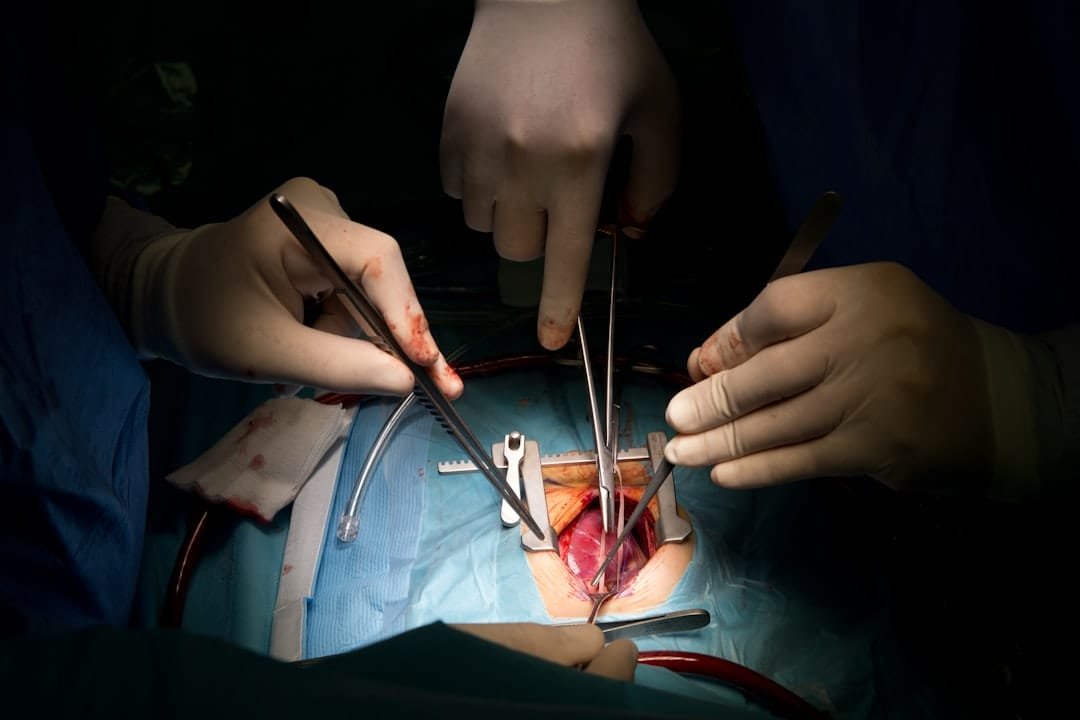
We offer heart valve replacement procedures including aortic, mitral, and tricuspid valve surgery. Our cardiac team provides minimally invasive options wherever suitable, with individualized treatment plans.

Find a Doctor Near You

Heart Valve Surgery

Understanding Heart Valve Replacement

Heart valve replacement surgery helps treat valves that are damaged or diseased and not functioning properly. These procedures aim to restore blood flow and support better heart function, which may improve daily quality of life.
Heart Valve Surgery

When Is Heart Valve Surgery Considered?

  • Severe aortic stenosis restricting blood flow from the heart
  • Mitral regurgitation causing blood leakage backward
  • Tricuspid valve disease affecting right heart function
  • Congenital valve abnormalities requiring correction
  • Valve damage from infection, aging, or heart attack
Aortic Valve Replacement

Treatment for diseased aortic valves using biological or mechanical prosthetic valves, chosen according to patient needs.

Mitral Valve Surgery

Repair or replacement procedures to restore valve function and improve blood circulation.

Better Heart Function

Supports improved circulation, which may help relieve symptoms and enhance quality of life for many patients.

Minimally Invasive Approaches

Techniques such as TAVR or robotic-assisted procedures may be recommended for suitable patients to support recovery.

*Treatment options vary for each patient and are advised only after a full medical evaluation.*

Heart Valve Replacement Procedures

We provide a range of heart valve replacement and repair surgeries using modern techniques and prosthetic valves. Our cardiac surgeons perform aortic, mitral, and multi-valve procedures, customized to each patient's condition.
Aortic Valve Replacement (AVR)

Surgery to replace a diseased aortic valve with a biological or mechanical valve to support healthy blood flow.

Duration: 3–5 hours
Recovery: 4–8 weeks
Possible Benefits:
  • Helps restore normal blood flow
  • Aims to improve heart efficiency
  • May reduce related symptoms
Typically Considered For:

Severe aortic stenosis or regurgitation

Double Valve Replacement (DVR)

Replacement of two valves, usually aortic and mitral, for patients with complex multi-valve disease.

Duration: 4–6 hours
Recovery: 6–10 weeks
Possible Benefits:
  • Treats multiple valve conditions in one surgery
  • Reduces need for separate procedures
  • Comprehensive heart function support
Typically Considered For:

Patients with more than one severely affected valve

Mitral Valve Replacement (MVR)

Replacement or repair of the mitral valve to help correct regurgitation or stenosis and support better heart function.

Duration: 2–5 hours
Recovery: 4–6 weeks
Possible Benefits:
  • Helps reduce mitral regurgitation
  • Aims to restore efficient blood flow
  • May ease heart failure symptoms
Typically Considered For:

Severe mitral stenosis or regurgitation
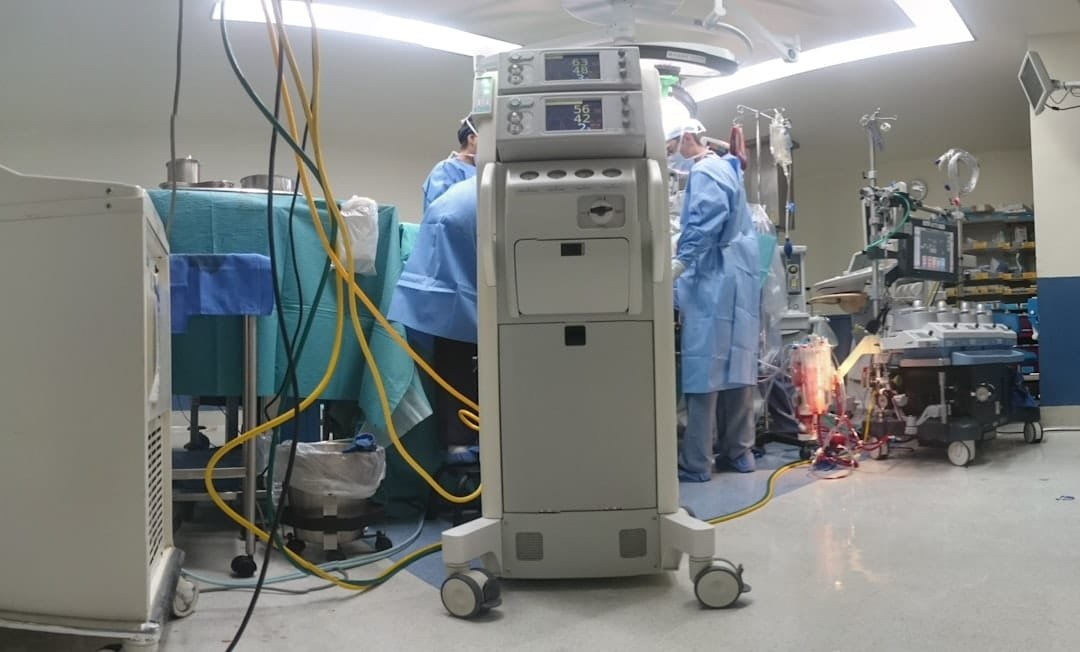
Advanced Heart Valve Center
Our specialized heart valve center offers both traditional and minimally invasive options. Each treatment plan is customized based on detailed evaluation and advanced imaging.
  • TAVR (Transcatheter Aortic Valve Replacement)
  • Robotic and minimally invasive techniques
  • Advanced imaging and surgical planning
  • Specialized cardiac intensive care
Advanced Heart Valve Center

*Treatment details vary depending on individual patient health. Surgery is only recommended after thorough medical evaluation.*


Heart Valve Replacement Recovery

Recovery after heart valve replacement is a step-by-step process with excellent outcomes. Our cardiac team provides close monitoring, rehabilitation support, and lifestyle guidance to ensure safe healing and a successful return to active life.
ICU Recovery
1–3 Days

Close monitoring and stabilization

  • Continuous cardiac monitoring
  • Ventilator weaning & breathing exercises
  • Pain and infection control protocols
  • Fluid balance & early mobilization prep
Hospital Recovery
3–7 Days

Progressive healing & mobility

  • Walking & physiotherapy sessions
  • Regular rhythm & vital monitoring
  • Chest tube & wound care
  • Medication optimization (including anticoagulants)
Home Recovery
4–8 Weeks

Gradual return to daily life

  • Heart-healthy diet & medication compliance
  • Weekly cardiology follow-ups
  • Activity restrictions & safe exercise plan
  • Emotional & psychological support
Full Recovery
3–6 Months

Return to full activity & wellness

  • Clearance for normal activity & work
  • Long-term valve monitoring
  • Cardiac rehab & exercise programs
  • Ongoing anticoagulation management

Recovery Guidelines & Support

Post-Surgery Care
  • Proper wound care & dressing
  • Infection prevention measures
  • Regular medication schedule
  • Graduated physical activity
Lifestyle Changes
  • Heart-healthy diet plan
  • Exercise guidelines & safe limits
  • Stress management techniques
  • Regular follow-up visits
Warning Signs – Seek Urgent Care
  • Chest pain or tightness
  • Sudden shortness of breath
  • Irregular heartbeat or palpitations
  • Fever or signs of infection
  • Severe fatigue or dizziness
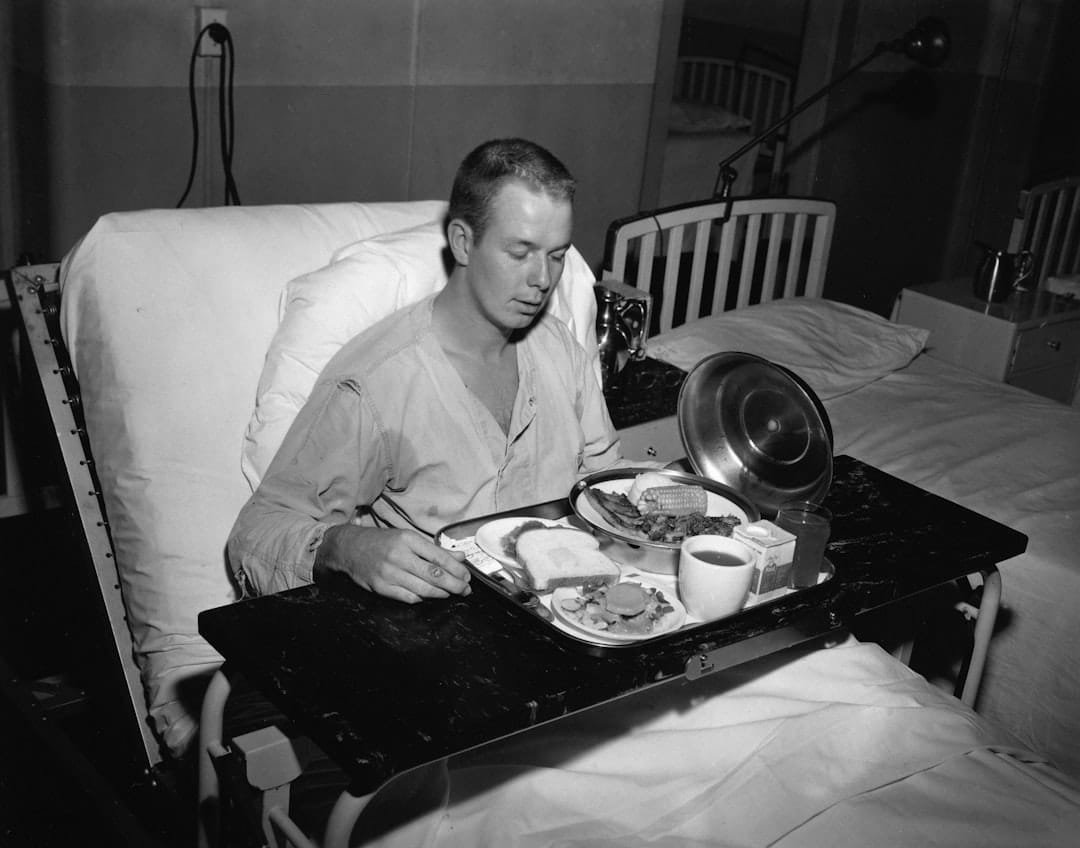
Patient Recovery
Comprehensive Recovery Program

Our recovery program ensures safe healing through personalized care, cardiac rehab, and continuous monitoring. Most patients return to a healthy, active lifestyle within months.

Program Completion Rate 97%

Frequently Asked Questions

Get clear answers to common questions about heart valve replacement (AVR, MVR, DVR). Our medical team is here to provide safe, reliable, and compassionate guidance.
Common Questions on Heart Valve Replacement

Valve replacement surgery usually takes between 3 to 5 hours, depending on the type of valve and the patient’s condition.

Risks may include infection, bleeding, irregular heartbeat, or blood clots. With proper post-operative care and monitoring, most patients recover well.

Most patients stay for about 5 to 10 days, depending on their recovery speed and overall health condition.

Light activities can usually be resumed within a few weeks, while full recovery and return to normal activities may take 6 to 12 weeks.

Yes. Many patients require blood thinners, medications to protect the heart, and sometimes antibiotics before certain procedures. Your doctor will tailor the plan to your needs.

Mechanical valves can last for decades but usually require lifelong blood thinners. Bioprosthetic (tissue) valves typically last 10–20 years and may need replacement later.

A heart-healthy diet, regular exercise (as advised by your doctor), stress management, avoiding smoking, and following your medication plan are key for long-term health.
Emergency Line Urgent

24/7 immediate assistance

Call +91 8076257344
Astikan Help Line

Medical questions & support

Call +91 8076257344
Schedule Consultation

New patient appointments

Book Online

Our cardiac care team provides advanced treatment with a focus on patient safety, comfort, and long-term wellness.

Available 24/7
Astikan Verified
Health Reviewed
×

Book Your Free Consultation

Get expert doctors, top hospitals & 24/7 support