Emergency

Supporting Failing Hearts with Left Ventricular Assist Devices (LVAD)

Empower your heart with cutting-edge LVAD support. At Astikan Health, we offer Left Ventricular Assist Devices to help patients with advanced heart failure regain strength, stability, and quality of life through mechanical circulatory support.

Find a Doctor Near Me

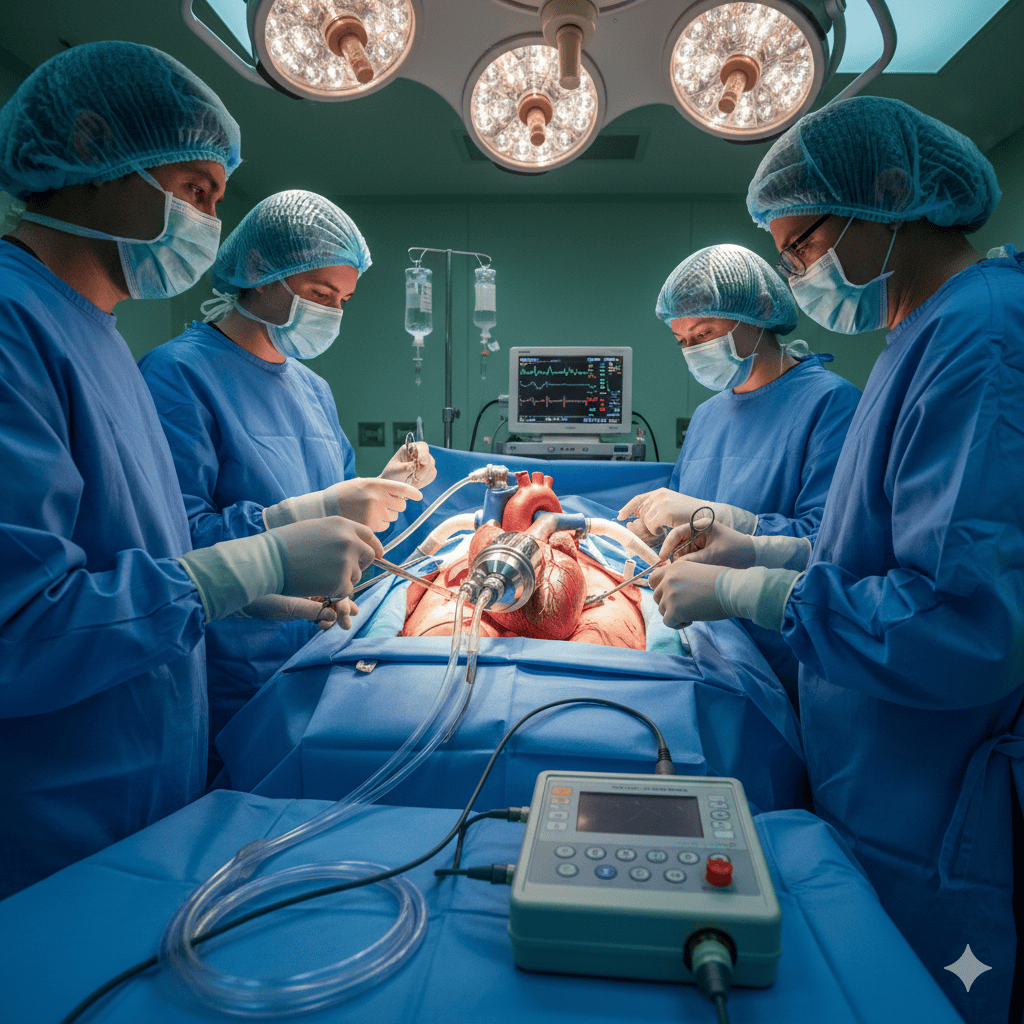
LVAD Support Illustration

Understanding Left Ventricular Assist Devices (LVAD)

A Left Ventricular Assist Device (LVAD) is a mechanical pump that helps the heart's left ventricle deliver blood to the rest of the body.
It is used in patients with advanced heart failure when medication is no longer effective.
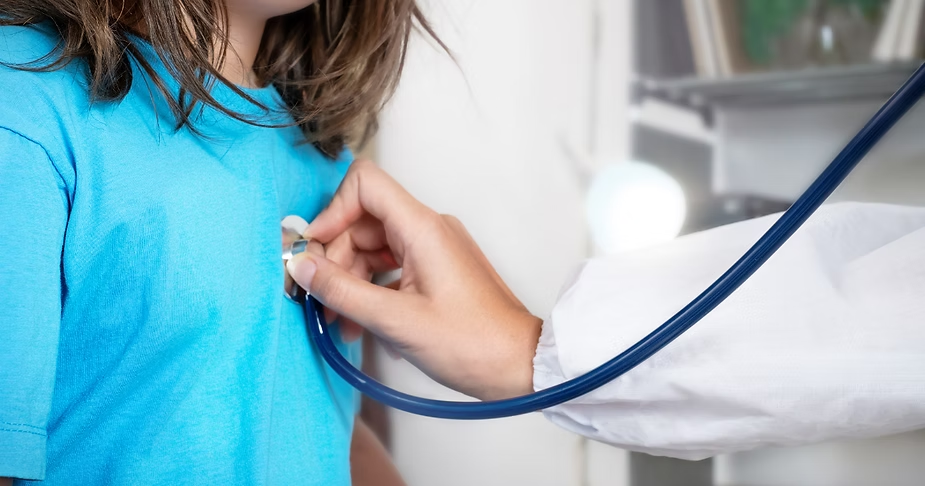
LVAD Device

When Is an LVAD Recommended?

  • Advanced heart failure with reduced ejection fraction (HFrEF)
  • Patients awaiting heart transplantation (bridge-to-transplant)
  • Not eligible for transplant but need long-term support (destination therapy)
  • Temporary support during recovery from heart surgery or acute heart failure
  • Persistent symptoms despite optimal medical therapy
Enhanced Cardiac Output

Assists the weakened heart in pumping blood more efficiently, improving circulation and reducing fatigue.

Bridge to Transplant

Helps patients maintain stable health while waiting for a suitable heart donor.

Improved Quality of Life

Reduces symptoms such as breathlessness and fatigue, enabling greater independence in daily activities.

Long-term Support

For patients ineligible for transplant, LVADs offer durable therapy to extend life and function.

Types of Left Ventricular Assist Devices (LVAD)

We offer various LVAD models tailored to your heart failure condition and health profile.
Our cardiac team will recommend the most suitable device and approach.

HeartMate 3 LVAD High Durability & Reliability

A centrifugal continuous-flow pump with magnetic levitation technology for reduced wear and improved durability.

Implantation Time: 3-4 hours
Recovery: 4-6 weeks
Key Benefits:
  • Reduced risk of pump thrombosis
  • Long-term support for advanced heart failure
  • Improved quality of life and survival rates
Best For:

Patients awaiting heart transplant or destination therapy candidates

HeartWare HVAD Compact & Efficient

Smaller device designed for minimally invasive implantation and continuous flow support.

Implantation Time: 2.5-3.5 hours
Recovery: 3-5 weeks
Key Benefits:
  • Smaller size for easier implantation
  • Effective in improving cardiac output
  • Enhanced patient mobility
Best For:

Patients needing less invasive surgical options

External LVAD Systems Temporary Support

External devices used for short-term mechanical circulatory support in acute heart failure cases.

Usage Duration: Days to weeks
Recovery: Varies
Key Benefits:
  • Provides bridge to recovery or decision
  • Rapid deployment in emergency settings
  • Supports circulation during critical illness
Best For:

Patients with acute heart failure or awaiting permanent device implantation

Advanced Cardiac Care Facilities

Our cardiac surgical suites are equipped with cutting-edge technology including 3D imaging, real-time hemodynamic monitoring, and minimally invasive surgical tools to ensure optimal LVAD implantation and patient care.
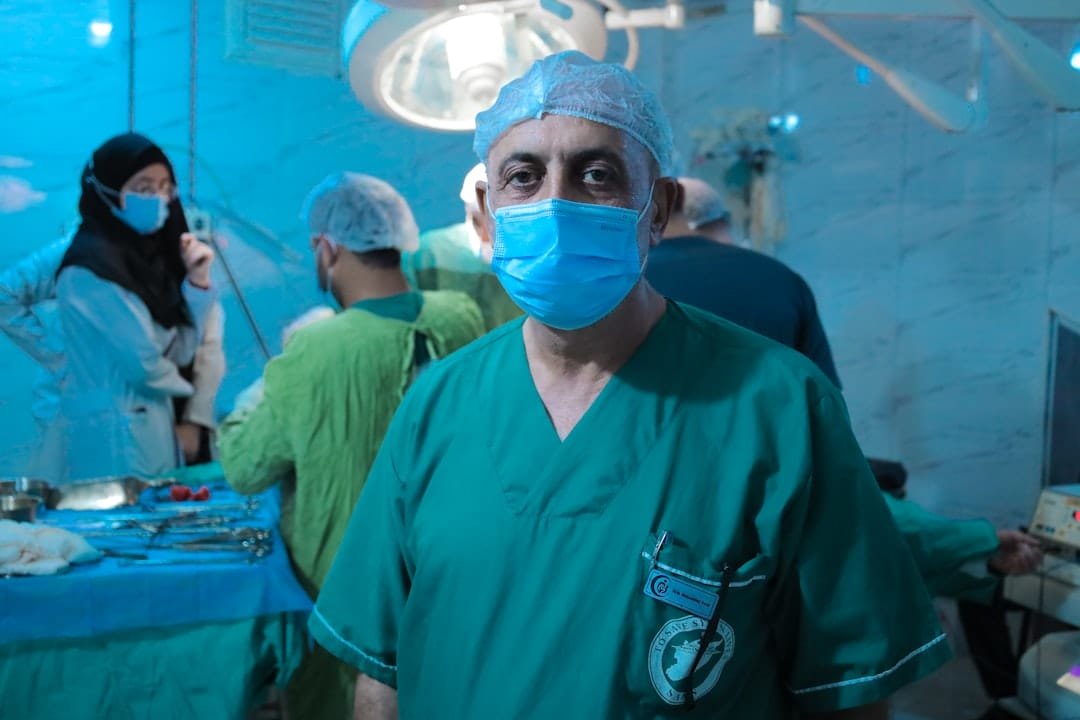
  • State-of-the-art imaging and navigation systems
  • Comprehensive cardiac monitoring during surgery
  • Experienced multidisciplinary LVAD care team
  • 24/7 post-op critical care and rehabilitation support
Advanced Cardiac Surgery

Your Recovery Journey

Healing after heart bypass surgery is a gradual process. Our care team will
support you through every stage to promote safe and steady recovery.
Hospital Stay
Varies by patient

Close monitoring immediately after surgery

  • Observation in intensive care for initial days
  • Removal of breathing support as recovery allows
  • Encouragement of gentle movement and sitting up
  • Chest tubes removed once doctor advises
Early Recovery
First few weeks

Slowly resuming daily activities

  • Short walks to improve circulation
  • Monitoring and care of surgical wounds
  • Adjusting medications as prescribed
  • Attending scheduled follow-up visits
Active Recovery
Several weeks

Building strength and endurance

  • Starting supervised cardiac rehab exercises
  • Gradually resuming routine activities
  • Possible return to light job duties
  • Increasing physical activity with guidance
Long-Term Recovery
Depends on individual

Returning to your lifestyle with care

  • Resuming normal work routine when advised
  • Increasing exercise capacity gradually
  • Continuing healthy lifestyle habits
  • Ongoing follow-up with your cardiologist

Recovery Guidelines & Support

Physical Care
  • Take medications exactly as prescribed
  • Maintain incision cleanliness and dryness
  • Increase walking distances gradually
  • Avoid lifting heavy objects until cleared by doctor
Lifestyle Changes
  • Adopt a heart-healthy diet
  • Avoid smoking completely
  • Practice stress management
  • Keep all follow-up appointments
Warning Signs
  • New or worsening chest pain
  • Difficulty breathing even at rest
  • Redness, swelling, or discharge at incision sites
  • Irregular heartbeat or palpitations
Patient Recovery
Cardiac Rehabilitation Program

Our cardiac rehab program includes supervised exercise, nutrition guidance, and emotional support, helping you rebuild strength and confidence at your own pace.

Frequently Asked Questions

Get clear answers to common questions about LVAD care. Our medical team is here to provide guidance and support throughout your journey.
Common Questions

An LVAD is a surgically implanted mechanical pump that helps a weakened heart pump blood. It supports the left ventricle, improves circulation, and may reduce symptoms of heart failure.

LVADs are considered for patients with advanced heart failure who do not respond well to medicines. They may be used as a bridge to transplant or as long-term therapy based on medical evaluation.

With proper care and follow-up, many people live active lives with an LVAD. Some patients use it while awaiting a transplant, while others continue it as long-term therapy under medical supervision.

Possible risks include bleeding, infection, or blood clots. Device-related complications can occur and require prompt medical care. Regular follow-up and monitoring are important to reduce risks.

Many patients resume daily activities and experience improved quality of life. Physical activity and lifestyle adjustments are possible with medical guidance and device care.

Swimming is not possible with an LVAD as water can damage the device. Showering may be done with special waterproof covers provided, under guidance from your medical team.

The LVAD runs on external batteries connected through a driveline. Patients carry spare batteries and follow daily charging routines to keep the device functioning safely.

Travel is possible with planning and extra equipment. Airlines and security teams should be informed in advance. Always consult your LVAD team before travel for specific instructions.
Emergency Line Urgent

24/7 immediate assistance

Call +91 8076257344

In case of severe symptoms, always call your local emergency number first.

Astikan Help Line

Medical questions & device support

Call +91 7838281840
Schedule Consultation

Appointments for new LVAD patients

Book Online

Our LVAD specialists provide round-the-clock care, guidance, and follow-up support to patients and families.

Available 24/7
Astikan Verified
Health Reviewed
×

Book Your Free Consultation

Get expert doctors, top hospitals & 24/7 support