
Emergency

Advanced Heart Transplant Surgery with Complete Care — From Evaluation to Recovery

We offer advanced heart transplant surgery for patients with severe heart or lung failure. At Astikan Health, our expert cardiac transplant team provides complete care — from donor matching to lifelong recovery — helping patients live healthier, fuller lives again. Serving patients across Delhi NCR (Delhi, New Delhi, Noida, Gurugram, Greater Noida, Ghaziabad, Faridabad, Sonipat, Meerut).

Find a Doctor Near Me

Heart Transplant Surgery – Astikan Health

Understanding Heart Transplantation

A heart transplant offers a life‑saving treatment for people whose heart or lungs can no longer function properly. Our compassionate team ensures every patient receives world‑class support at every stage — from evaluation to lifelong care. We proudly serve Delhi, Noida, Gurugram, Greater Noida, Ghaziabad, Faridabad, Sonipat, Meerut and the wider Delhi‑NCR region.
Aortic Surgery Illustration

When Is Transplantation Considered?

  • Severe heart failure not responding to treatment
  • Advanced lung disease such as COPD or pulmonary fibrosis
  • Pulmonary hypertension causing right‑heart strain
  • Congenital heart disease not treatable with other surgery
  • Shortened life expectancy without transplantation
Heart Transplantation

Complete heart replacement using a healthy donor organ for patients with severe heart failure.

Pulmonary Transplantation

Single or double lung transplant for severe lung disease, restoring normal breathing.

Combined Heart‑Lung Transplant

Simultaneous replacement of both heart and lungs for patients with combined cardiac and pulmonary failure.

Comprehensive Care

Full transplant program from evaluation, donor matching, surgery to lifelong follow‑up and medication management.

Heart Transplantation Procedures

Our multidisciplinary team specializes in heart, lung, and combined heart‑lung transplants, ensuring the highest success and safety for every patient.
Heart Transplantation 93–95% Success

Complete replacement of a diseased heart with a healthy donor heart for patients with end‑stage heart failure.

Duration: 4–6 hours
Recovery: 3–6 months
Key Benefits:
  • Life‑saving for end‑stage heart failure
  • Improves long‑term survival and quality of life
  • Restores normal cardiac function
Best For:

Patients not responding to medical treatment

Combined Heart‑Lung Transplant 85–90% Success

Simultaneous replacement of both heart and lungs for patients with combined cardiac and pulmonary failure.

Duration: 6–8 hours
Recovery: 4–8 months
Key Benefits:
  • Addresses both heart and lung failure
  • Improves breathing and cardiac output
  • Life‑changing improvement in daily activities
Best For:

Patients with severe cardiac and pulmonary disease

Pediatric & High‑Risk Heart Transplant 90–93% Success

Specialized transplantation for children or high‑risk adult patients with complex cardiac conditions.

Duration: 4–7 hours
Recovery: 3–6 months
Key Benefits:
  • Life‑saving for children and high‑risk patients
  • Tailored surgical approach for complex anatomy
  • Improves long‑term survival
Best For:

Pediatric and high‑risk adult patients
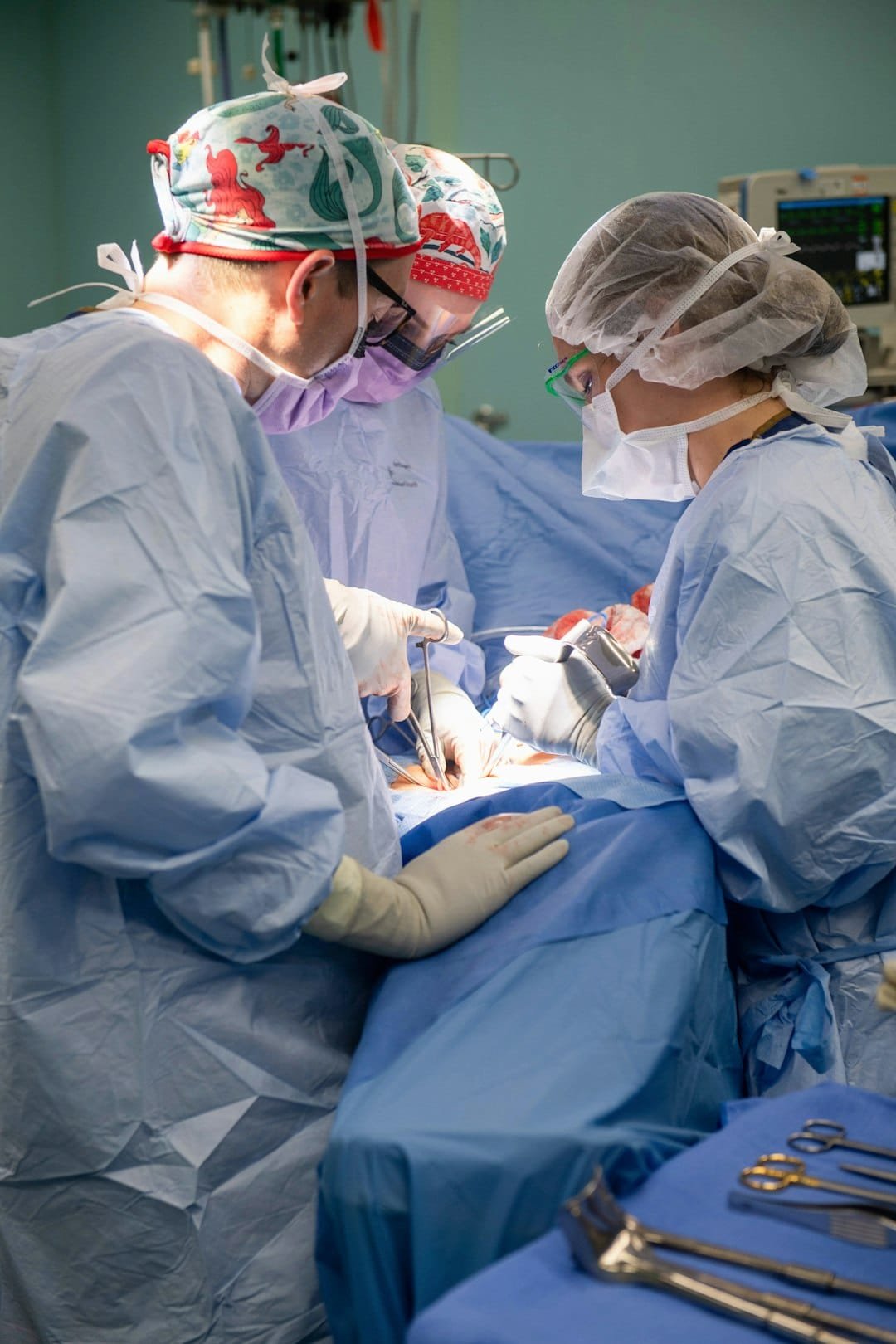
State‑of‑the‑Art Surgical Facilities
Our operating rooms are equipped with the latest cardiac surgical technology, including advanced imaging systems, precision surgical tools, and comprehensive monitoring equipment to ensure the highest standards of care.
  • Advanced 3D imaging and navigation systems
  • Real‑time cardiac monitoring throughout surgery
  • Minimally invasive surgical instruments
  • 24/7 post‑operative intensive care
Heart Transplant Surgery operating room – Astikan Health
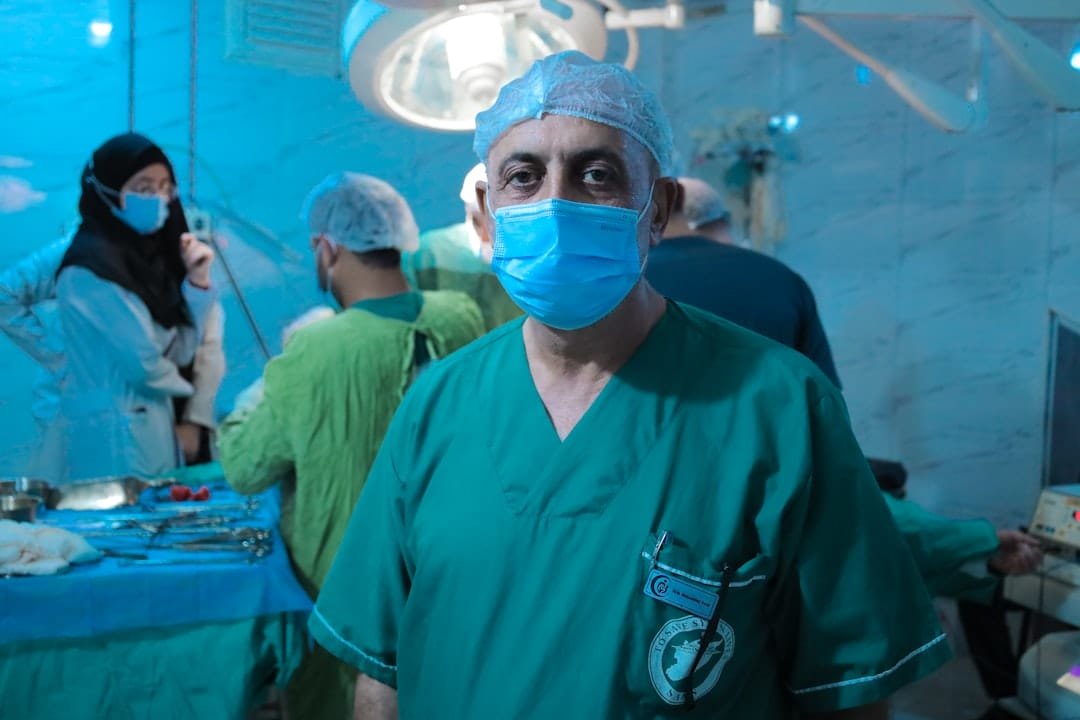
Heart Transplant Success Story
Heart Transplant Care
Heart Transplant Recovery

Your Recovery Journey

Recovery from heart transplantation is a gradual process. Our expert team will guide you through each phase to ensure the best possible outcome.
Hospital Stay
2–4 weeks

Intensive post‑operative monitoring and care

  • ICU monitoring for 3–7 days
  • Ventilator support as needed
  • Frequent blood tests and heart biopsies
  • Medication initiation for immunosuppression
Early Recovery
1–2 months

Gradual resumption of basic activities

  • Short walks and light activity
  • Regular follow‑up and monitoring of heart function
  • Medication adjustments as needed
  • Wound healing and infection prevention
Active Recovery
3–6 months

Strength building and cardiac rehabilitation

  • Supervised exercise and physiotherapy
  • Gradual return to work for light duties
  • Ongoing monitoring of organ rejection signs
  • Nutrition and lifestyle adjustments
Full Recovery
6–12 months

Return to normal lifestyle with ongoing care
  • Regular exercise and cardiac rehab continuation
  • Return to work and social activities
  • Long‑term immunosuppressive therapy management
  • Continuous monitoring for rejection or complications

Recovery Guidelines & Support

Physical Care
  • Take immunosuppressive medications as prescribed
  • Monitor vital signs and incision sites daily
  • Gradually increase walking distance
  • Avoid strenuous activity until cleared by the transplant team
Lifestyle Changes
  • Follow a heart‑healthy, low‑salt diet
  • Quit smoking completely and avoid second‑hand smoke
  • Manage stress and ensure adequate rest
  • Attend all transplant follow‑up appointments and lab tests
Warning Signs
  • Shortness of breath or chest pain
  • Signs of infection (fever, redness, swelling)
  • Irregular heartbeat or palpitations
  • Sudden swelling in legs or abdomen
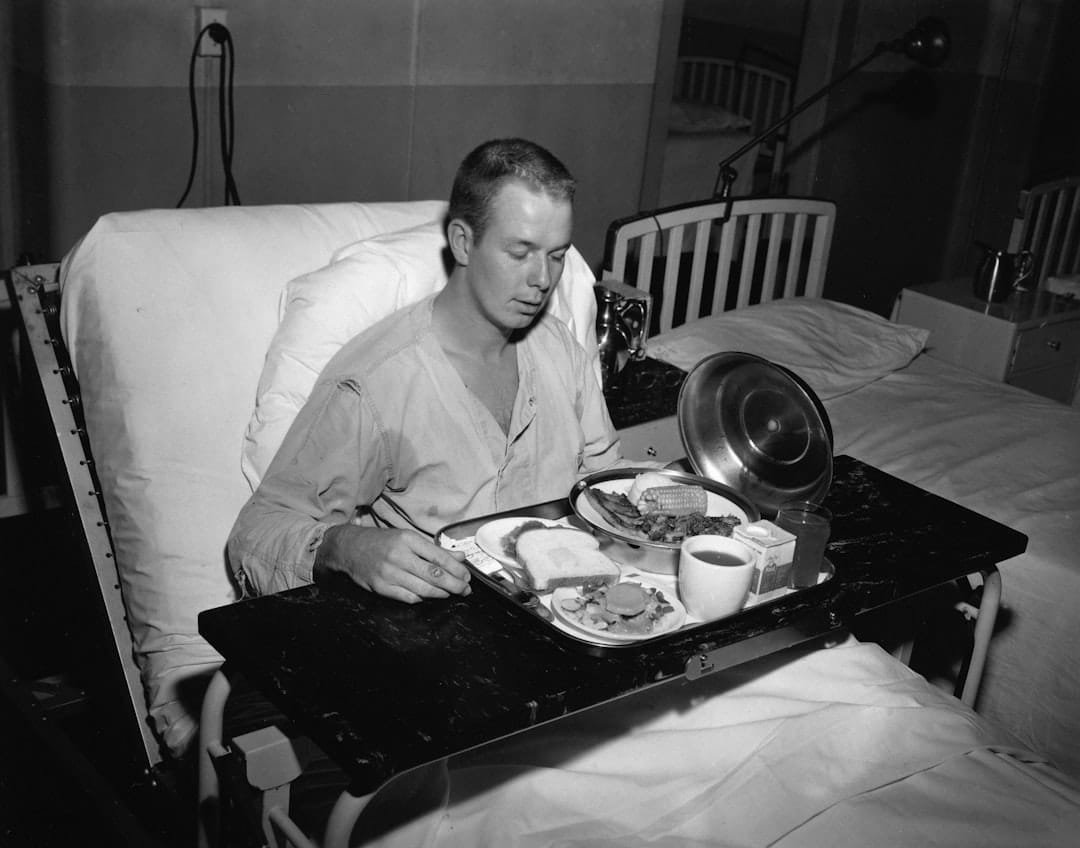
Patient recovery after heart transplant – Astikan Health
Cardiac Rehabilitation Program

Our comprehensive cardiac rehab program includes supervised exercise, nutrition counseling, and emotional support to help you return to daily life after transplant.

Program Completion Rate 90%

Frequently Asked Questions

Get answers to the most common questions about heart transplantation. Our expert medical team provides clear, comprehensive guidance for patients and families.
Common Questions

Heart transplant surgery typically lasts 4–6 hours. The duration may vary depending on the patient’s condition and complexity of the procedure.

Key risks include organ rejection, infection, and side effects of immunosuppressive medications. Additional risks may include bleeding, blood clots, or kidney issues. Close monitoring minimizes these risks.

Most patients stay in the hospital for 2–4 weeks post‑transplant. This allows time for recovery, monitoring, and adjustment of medications. Some patients may need longer stays if complications arise.

Return to work usually occurs within 3–6 months, depending on overall health and job type. Light activities can be resumed earlier with medical supervision.

Yes, lifelong immunosuppressive medications are necessary to prevent organ rejection. Additional medications may be required for blood pressure, cholesterol, or infection management. Regular blood tests monitor medication effectiveness and side effects.

Heart transplants have high success rates. One‑year survival exceeds 85‑90% at most centers, and many patients live 10 years or more. Success depends on medical care, adherence to medications, and lifestyle management.

Yes, rejection can occur even years after the transplant. Symptoms may include fatigue, shortness of breath, or fever. Regular biopsies and blood tests help detect and manage rejection early.

Maintain a heart‑healthy diet, exercise under supervision, avoid infections, quit smoking and alcohol, manage stress, and attend all follow‑up appointments. These changes are vital for long‑term success.
Emergency Line Urgent

24/7 immediate assistance

Call +91 8076257344
Astikan Help Line

Medical questions & concerns

Call +91 8076257344
Schedule Consultation

New patient appointments

Book Online

Our board‑certified cardiac transplant surgeons have performed hundreds of successful heart transplants with excellent outcomes.

Available 24/7
Astikan Verified
Health Reviewed
×

Book Your Free Consultation

Get expert doctors, top hospitals & 24/7 support